Foodservice and distribution for cafes in Australia
Your foodservice supply chain is the infrastructure that keeps your cafe operating every day. Missed deliveries, minimum order penalties, cold chain failures, and product substitutions create operational disruption that directly affects your customer experience. The decisions you make before opening determine how reliably the back of your business runs.
A free guide from Clever Cafe Company, one of the resources we publish and keep current for cafe founders. See the full platform at clevercafecompany.com.au
Last updated October 2026
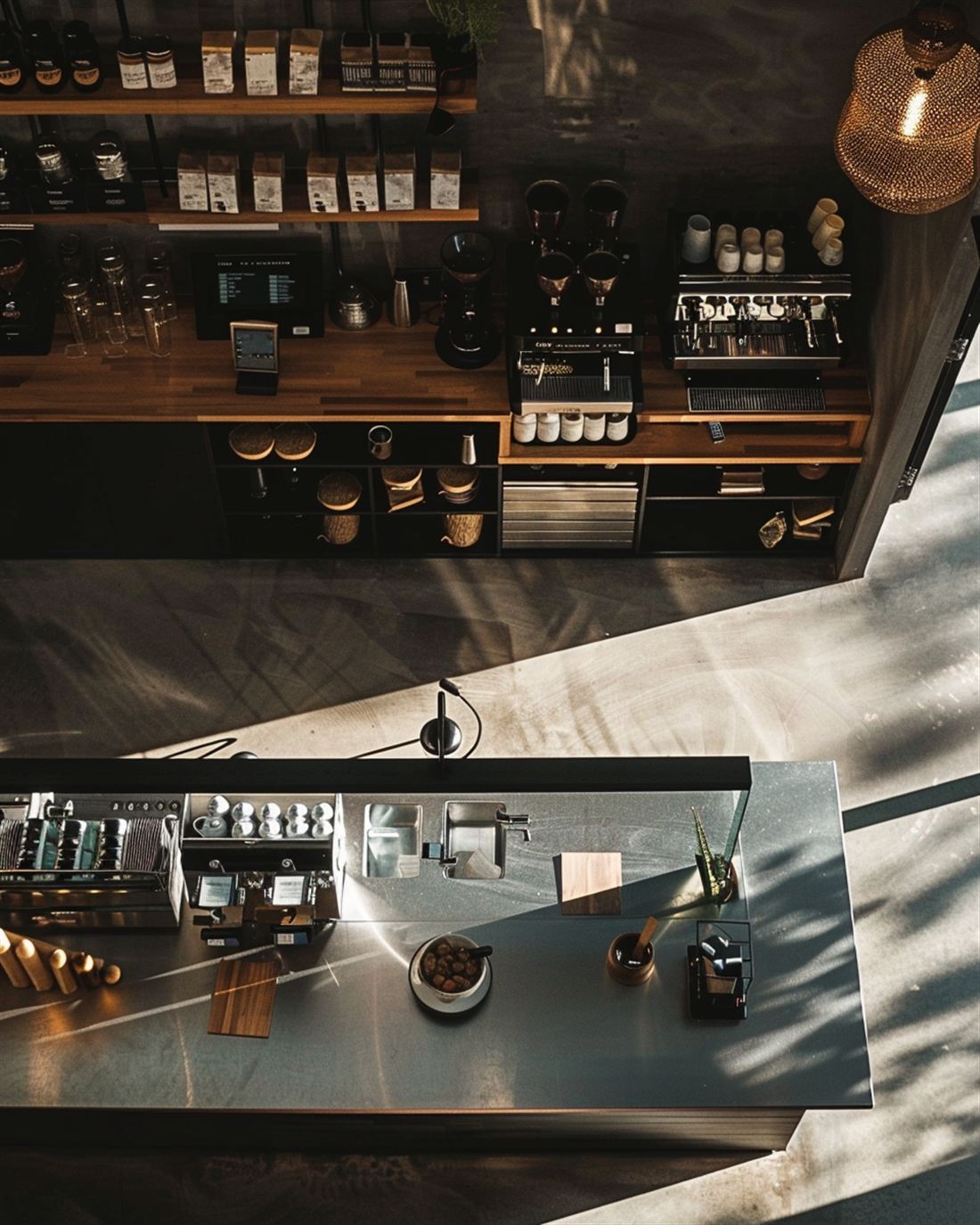
Understanding the foodservice supply options for cafes
Cafe foodservice supply in Australia falls broadly into two categories, broadline distributors and specialty suppliers.
Broadline distributors supply a wide range of products, dairy, dry goods, frozen items, cleaning supplies, from a single account with consolidated invoicing and delivery. The administrative simplicity of a single relationship has real value for a new operator. The trade off is that broadline pricing is rarely the best for any individual category.
Specialty suppliers, for coffee, bread, produce, and other category specific products, typically offer better pricing and range depth at the cost of multiple supplier relationships and delivery schedules. Established cafes commonly use a broadline distributor for convenience categories alongside specialists for their key products.
What to evaluate when selecting foodservice suppliers
- Delivery schedule and cut off Confirm delivery windows align with your opening time and storage capacity. A cafe opening at 7am needs its deliveries before then. Confirm order cut off times before signing.
- Minimum order requirements Distributors commonly set minimum daily or weekly order values. In your first weeks of trading you may fall below these. Understand the penalty structure and negotiate the threshold before committing.
- Cold chain management Products requiring temperature control must maintain the cold chain from warehouse to your cool room. Confirm the supplier's cold chain processes and your rights if a delivery arrives outside temperature parameters.
- Credit terms As a new account you may be required to pay on delivery for an initial period. Factor this into your working capital model, it affects cash flow in the critical first weeks.
- Product consistency Confirm that your core products are consistently available. Substitutions on key menu items create operational disruption. Ask about out of stock rates before committing.
Negotiating terms before you open
A new cafe account represents significant ongoing value to a foodservice distributor. You are a prospective multi year customer, use that position before you open, not after you are already signed up.
Items worth negotiating include minimum order thresholds in your first months of trading, credit terms from day one, pricing on your highest volume lines, and delivery frequency. A distributor willing to support a new business through the ramp up period is demonstrating the kind of partnership worth building on.
In the PathwayIn the Pathway, foodservice supply sits at the operational setup stage. Foodservice supply accounts should be confirmed and tested at least four weeks before opening. This allows time for account approval, initial deliveries, and resolution of any product or system issues before opening day.
The right supply chain, confirmed before you open
The Pathway does the heavy lifting on foodservice supply setup, connecting founders with leading distributors and specialty suppliers at the operational planning stage, with the negotiation context to establish terms that work for a new business.
Clever Cafe sequences each supplier decision to the planning stage where it belongs, so the supply chain is handled at the point it matters.
We work with a small number of foodservice distributors and specialty suppliers and introduce them inside the Pathway, at the operational setup stage. Talk to us about partnering
Frequently asked questions
Common questions
Cafes commonly combine broadline distributors for convenience and dry goods with specialty suppliers for key products like coffee, bread, and produce. The Pathway connects founders with foodservice partners at the correct operational planning stage.
A broadline distributor supplies a wide range of products across categories from a single account with consolidated invoicing and delivery. The simplicity of one relationship is valuable for a new operator, though category specialists often offer better pricing on individual product types.
Minimums vary by supplier. Broadline distributors commonly set minimum daily or weekly order values, with a fee below the threshold. Negotiate the minimum as part of your account setup, since your position is strongest before you sign.
At least four weeks before opening. This allows time for account approval, initial delivery testing, and resolution of any system or product issues. Leaving foodservice supply to the week before opening is a common and avoidable source of stress.
The Pathway is a step by step programme that sequences every decision involved in opening a cafe, and introduces each category at the stage where it becomes relevant. Foodservice sits at the operational setup stage. It gives first time founders a head office to plan against, in the right order.
Answer four questions, no account needed
Get your supplier brief
Four quick questions about your cafe, then a short brief on setting up your supply chain.
How many suppliers do you want to deal with?
Do you know when deliveries will arrive compared with your opening time?
Have you talked to distributors about terms?
When will you set up your supplier accounts?
Your foodservice suppliers brief
Written from our foodservice suppliers guide and reviewed by a Resident Expert.
Keep going
See where this fits in your plan
Create a free Lite account with your email. No card needed.
When you want more than the plan, Pro adds the working tools for your stage, and we keep them current as things change.
Where are you with your cafe?
Pick the path that matches where you are today.
Prefer to talk it through first? Book a free 15 minute call.